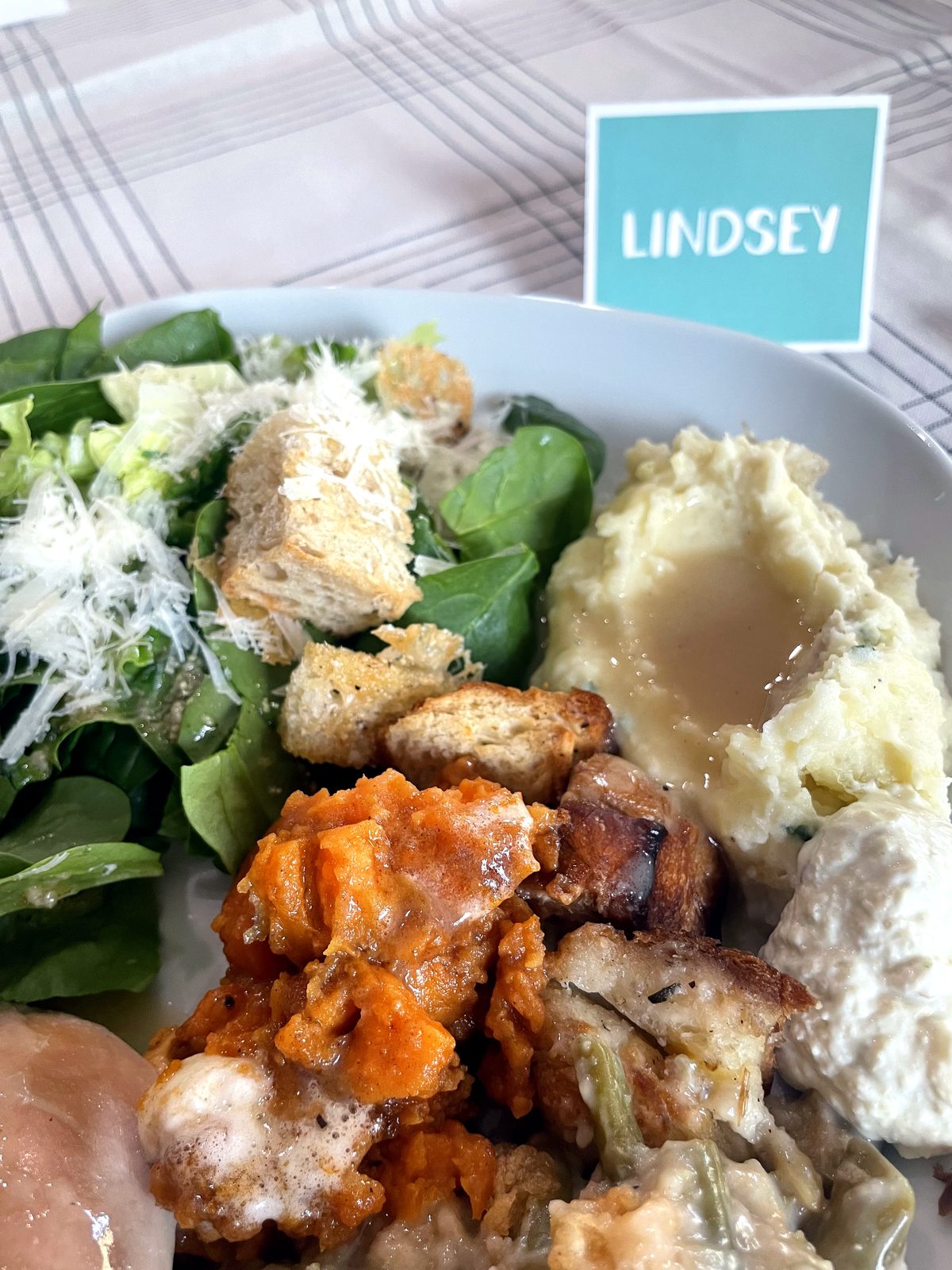
 Caesar Salad & Dressing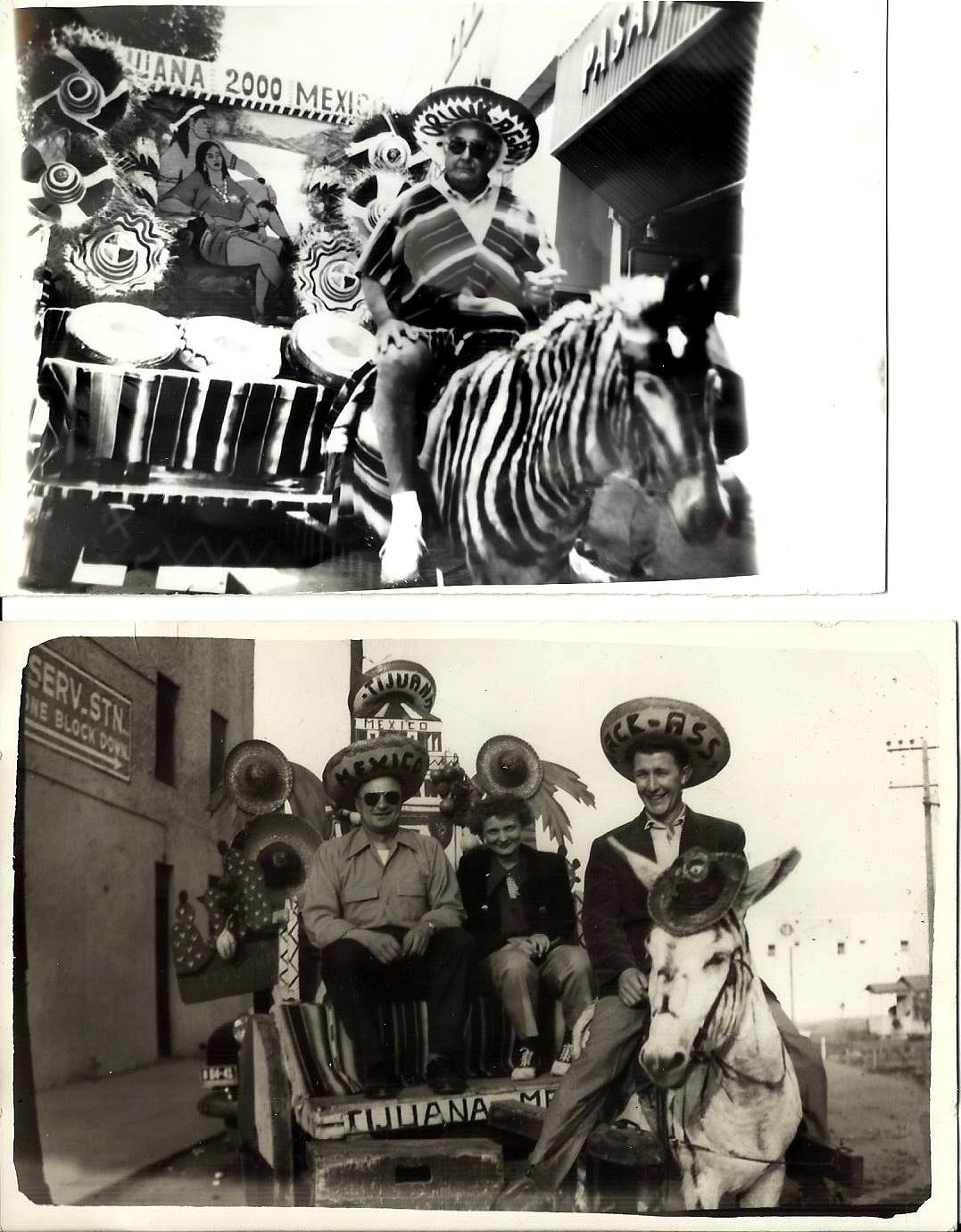
The Family Story Nobody Asked For
My grandpa first crossed into Tijuana in the early 1950s, twenty-one years old, on the kind of open-ended travels a young man could still take then. He came home with a stack of photographs, a whole situation involving a striped donkey that I will not be getting into, and the Caesar salad recipe on this page. He kept all three for the rest of his life.
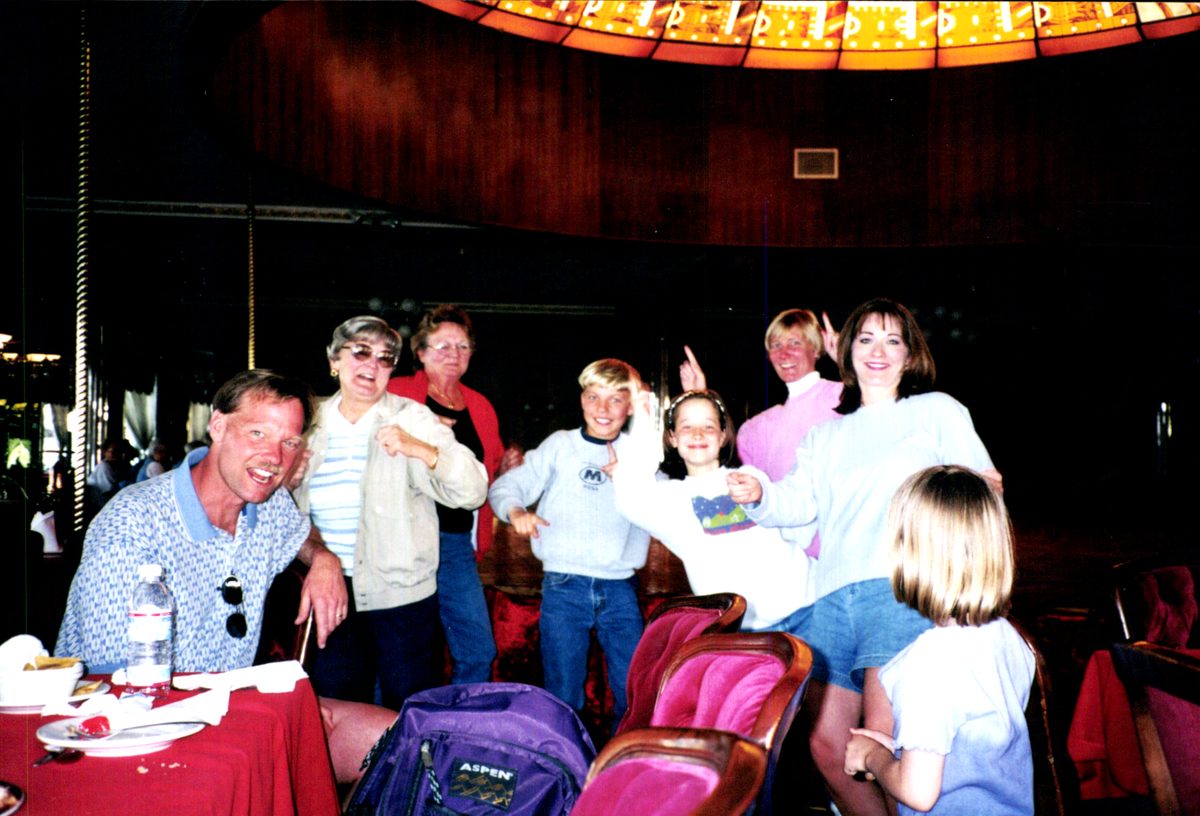
Decades later, in the 1990s, he walked us back across the border on foot — deliberately, the way he did most things, without explaining the plan until we were already somewhere inside it. What we had come for, though he only admitted it once we were seated, was the original. The Caesar salad was born in Tijuana in the 1920s, at a hotel restaurant, when a man named Caesar Cardini came up short on kitchen supplies one busy night and improvised something at the table out of what he had. Grandpa had eaten it here as a young man; now it was our turn.
They made it tableside, in a big wooden bowl, with real theater to it — the tossing, the anchovy, the whole performance. There were raw eggs in it. This recipe has none, because coddling a raw egg into a salad is, on sober reflection, a wild thing to do — but in that restaurant, on that night, there were absolutely raw eggs, and every one of us accepted this without comment and finished the bowl.
The margaritas were strong. I want to be fair to the margaritas: they were doing precisely what they had been built to do. At some point our entire table was dancing — not beside the table, but out in the restaurant proper, among other diners who, through the warm diplomatic fog of tequila, did not appear to notice or mind. We have no evidence anyone minded. We have very little evidence of that evening at all.
The single exception was Aunt Midwest, who was not drinking, and who appointed herself — silently, grimly — personally responsible for getting all of us back across the border intact. This took everything she had, because people kept losing things that were not lost. A camera was declared missing and openly mourned; it was around the mourner's own arm the entire time, buried under so many bags of random treasure bought from Tijuana's famous stalls that they didn't realize it until they had spent my last pesos calling the restaurant to ask if it had turned up there. It had not turned up there. It was on their arm. I still miss my pesos. Aunt Midwest recovered nothing, because nothing was ever actually lost, and steered a dozen adults safely home on sheer disapproval alone.
Grandpa made his Caesar with a shot glass, and this is the important part. He measured everything in shots because it meant exactly one thing to wash at the end, and grandpa's entire culinary philosophy could be fairly summarized as 'one thing to wash.' That same shot glass, between measurements, poured his gin — on the rocks, one olive, straight, a thing only a grandparent's body is physically equipped to survive. It is entirely possible a little gin found its way into the dressing over the years. It is possible the gin is the secret. No one will ever confirm this, because confirming it would mean buying gin for the express purpose of ruining a salad, and no one is willing.
In conclusion, this Caesar is a bridge between a wooden bowl in Tijuana and your kitchen, between the shot glass and the salad and the gin and back to the shot glass. Measure it in shots. Stir it whenever you pass. Grandpa would want both. The recipe is above, where you found it.